The Space Time Machine. Choose a planet or moon, move between System, Orbit and Local views, and explore its reference through one observation clock.
Bodies are enlarged, moon distances are compressed, and spin is accelerated. The view is an observing illustration rather than a literal scale model. Reference photographs are independent of observation time; interior diagrams are schematic models.
Moon selection retains the parent system in view. Center recovers that system; in Orbit it toggles between the selected system and the Sun. Display magnification runs from 1× to 3× for the Sun and for Mercury, Venus, Earth, Mars, Jupiter, Saturn, Uranus and Neptune in Local view. The same factor scales the selected body, rings and moon system together. The Sun's glow scales with its disc. At higher magnification, outer moons can extend beyond the canvas; reduce magnification to see more of the system. Planet close-ups start evenly lit for inspection. Sunlight switches those close-ups, and the moons drawn with them, to dated solar shading. The Sun stays self-luminous on its existing 512×256 illustrative map, a Solar System Scope drawing based on NASA imagery. Magnification enlarges that map. It does not add observed features or a date. The glow is a display halo, not a corona. The Sunlight control does not shade the Sun. Pluto, Ceres, Vesta, System and Orbit keep the camera's existing scales. Magnification is display sizing: physical radii, orbits and dates are unchanged. A chosen magnification stays with the next magnified body and returns after System or Orbit; values outside 1–3 clamp.
Search ISS or space station in Survey. Far views keep the ring marker and label. Open ISS to load a light inspection model in Subject and a more detailed model for Target and its Chase, Sunrise and Wide shots. All hardware is 2023-era hardware, illustrative, independent of the observation date. The inspection card turns independently of orbit attitude; Target uses a local vertical/local horizontal frame with +X along the dated velocity and +Y outward from Earth. Tracking uses the pinned TLE in its window; outside it, positions are predicted with a circular orbit and J2 precession. Before 1998-11-20 the scene says not yet launched.
NASA ISS (D) (IGOAL), NASA/JSC/Integrated Graphics, Operations, and Analysis Laboratory. Simplified and texture-resized derivatives; no source panels reposed. The model includes six deployed iROSA assemblies, Bishop airlock and payload hardware including AWE. It is not a claim of exact assembly at the observation date or of current/future operations. NASA media policy; informational use, NASA credited, no endorsement. three.js r169 and its loaders are MIT; Draco decoder is Apache-2.0.
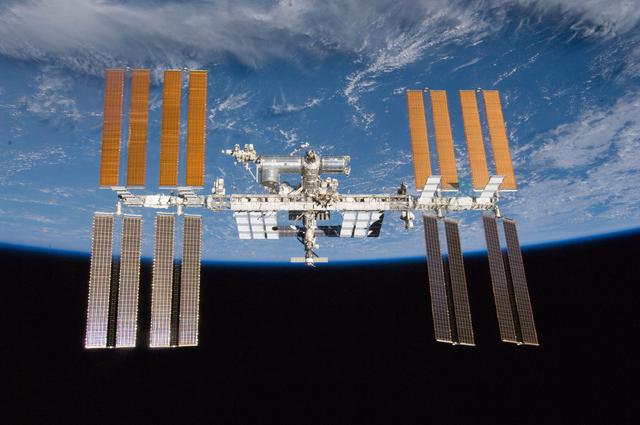
Real photo · NASA S132-E-012208 (STS-132, 2010-05-23), NASA, public domain. Photo source and license. Models are fixed hardware, not a construction timeline. A failed download or WebGL failure returns to the existing schematic Earth-below view.
Time drives the tracked/predicted orbit, Earth rotation and Sun. Sunrise may find the next real eclipse transition. No Moon or Sun is moved to force a picture. Sunrise and Wide use labelled viewing exposure/Earthshine aids. The card, Near model and Earth textures total 6.48 MB; wider stops fetch none of them. Machina has no additional detail tier.
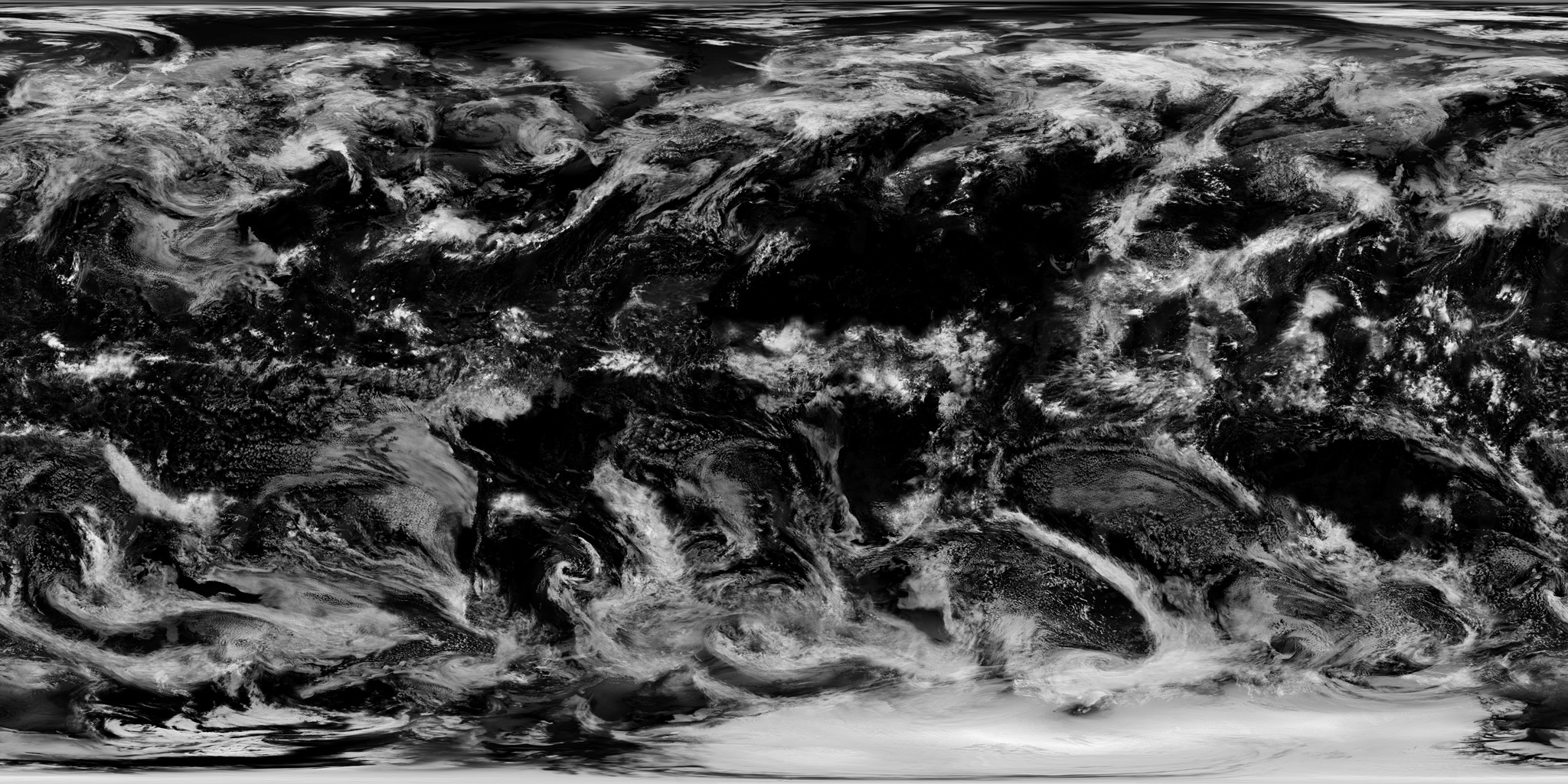
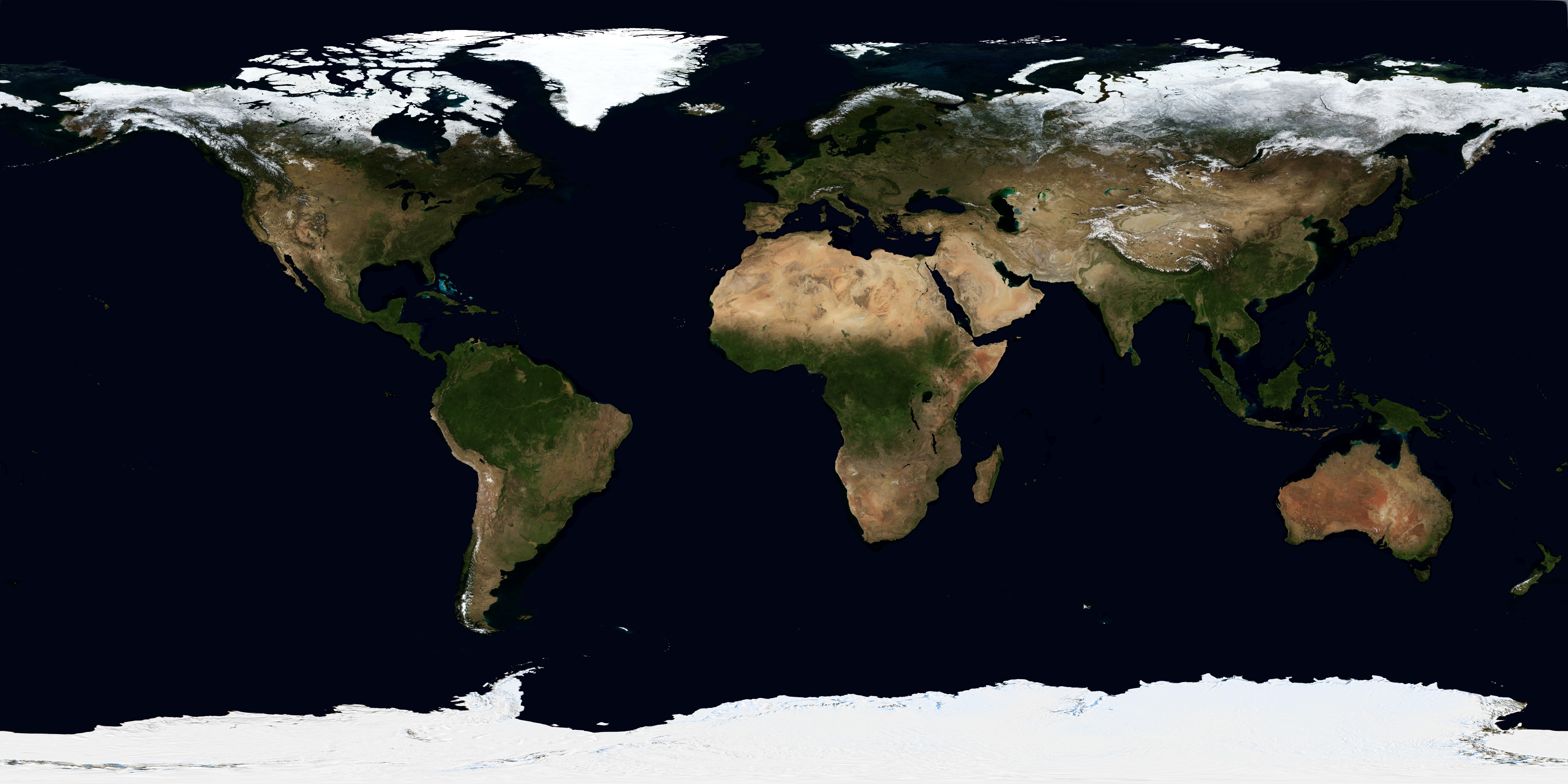
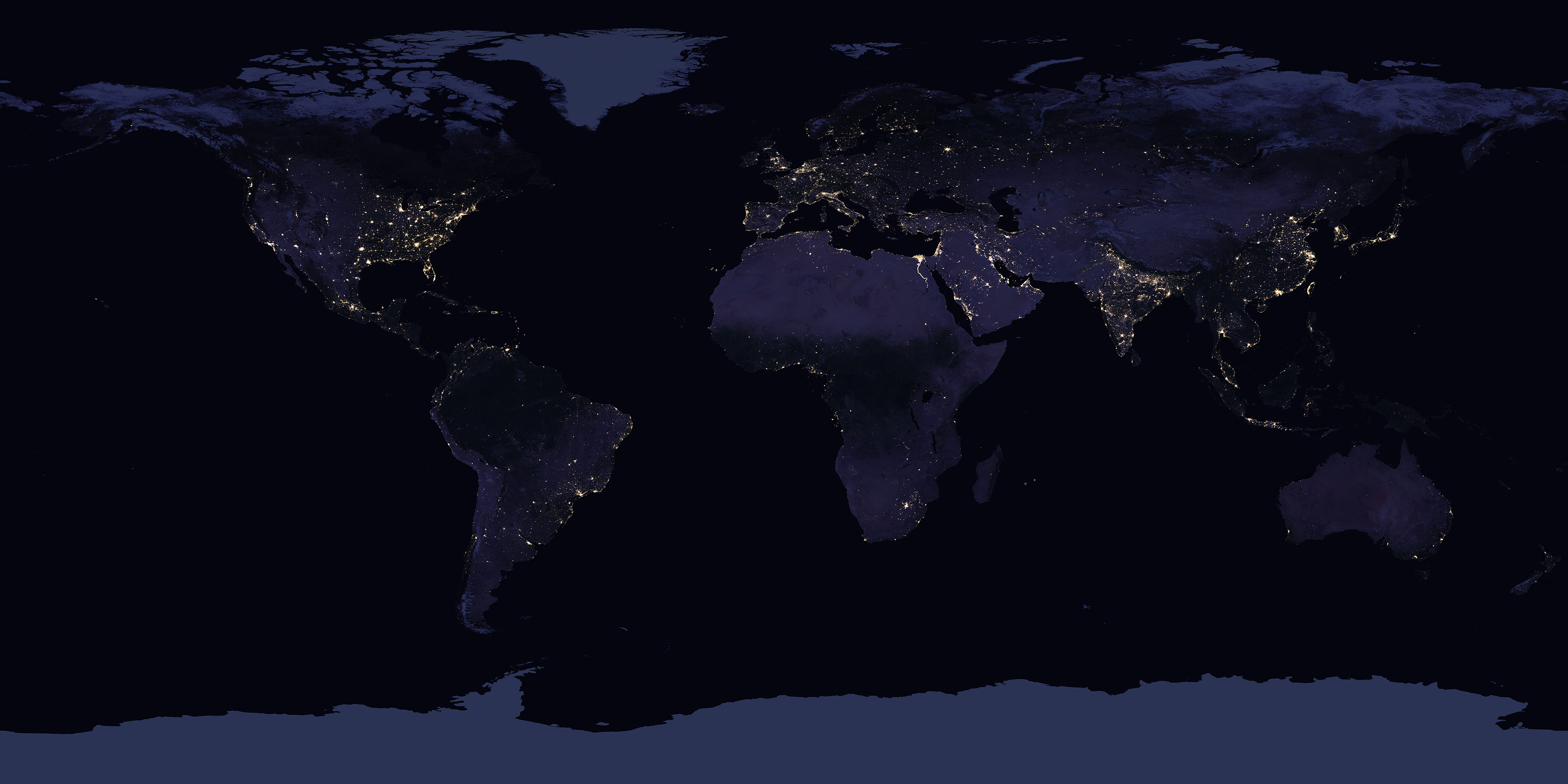
Close-range day imagery: NASA Earth Observatory Blue Marble Next Generation, October 2004 base map, world.200410.3x5400x2700.jpg (5400×2700); Reto Stöckli / NASA Earth Observatory. Night: Black Marble 2016, BlackMarble_2016_01deg.jpg (3600×1800), NASA Earth Observatory / Joshua Stevens, Suomi NPP VIIRS data from Miguel Román, NASA GSFC. Clouds: Blue Marble cloud composite, Visible Earth record 57747, cloud_combined_2048.jpg (2048×1024), NASA GSFC / Reto Stöckli, enhancements Robert Simmon.
These NASA-produced assets are public domain in the US; no third-party art added. NASA imagery usage policy. Original downloads: day · night · clouds. Local JPEG files are unchanged. Combined texture download: 3,375,699 bytes (3.38 MB decimal), fetched only after ISS is opened, for ISS Target and subsequent LOW ORBIT views.
Earth’s Greenwich rotation follows the date (approximate GMST); sunlight uses the existing dated ephemeris and camera transform. Day is a fixed October 2004 composite and night a 2016 composite, independent of the observation date. Clouds drift with simulation time and sit on an illustrative 12 km shell; this is not historical or current weather. Rim scattering, cloud shadow, ocean glint and cloud attenuation of city lights are illustrative. Water is classified from the Blue Marble ocean colors, not a measured land mask. The Earth limb uses physical perspective in ISS shots. The station is enlarged 5× in Wide; this is labelled. Close-range Earth defaults to dated sunlight; LOW ORBIT’s Sunlight switch still permits inspection lighting. ISS uses dated light.
M measured · I inferred · C computed here · MOD model. Reference values and imagery retain their individual credits and caveats. Fitted moon phases outside 1950–2100 are approximate.
Full Orbit sources, credits and validation results ↗